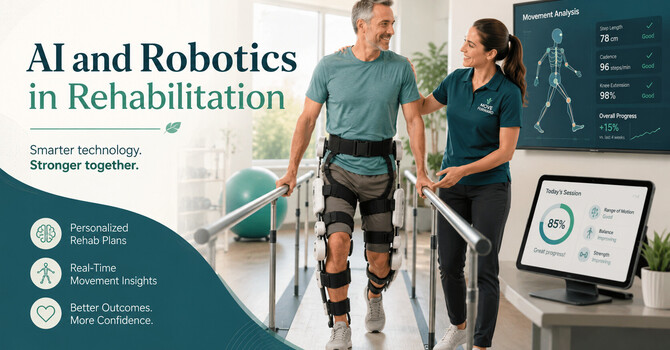
When a drop of water falls on stone, nothing seems to change at first. But over time, with repetition and consistency, that same drop reshapes the surface. Neurorehabilitation works the same way. Progress may feel slow at times, yet every session, every movement practice, and every moment of mindful effort contributes to meaningful change.
At Unity Move Physical Therapy & Wellness, we emphasize this long-term perspective because it reflects how the brain truly heals, learns, and adapts.
Understanding Why Progress Takes Time
Neurorehabilitation is built on neuroplasticity, the brain’s ability to reorganize itself by forming new neural connections. When injury, aging, or disease affects movement or balance, the nervous system needs time and repetition to develop alternative pathways.
This process is powerful, but it does not happen overnight.
Just like muscles need repeated training to grow stronger, the brain needs repeated signals, feedback, and practice to change.
Small Improvements Have Big Meaning
Patients often wonder:
“Is my progress too slow?”
“Does this small improvement really matter?”
The answer is yes — it absolutely matters.
Changes such as:
-
steadier steps,
-
improved balance,
-
better weight shifting,
-
easier initiation of movement, or
-
reduced fatigue
may seem minor day-to-day, but they signal that the nervous system is adapting. Over time, these small gains accumulate into stronger function and improved independence.
The Role of Consistency
The key to long-term neurorehabilitation is consistency.
It’s not about having perfect sessions — it’s about showing up, practicing regularly, and giving the brain time to absorb what it’s learning.
Consistent training helps:
-
reinforce better movement patterns,
-
reduce compensations,
-
strengthen weak pathways, and
-
prevent further decline.
Even when the progress feels slow, the brain is still working behind the scenes.
Neurorehabilitation Also Helps Prevent Decline
For conditions such as Parkinson’s disease, stroke, neuropathy, or age-related functional loss, long-term therapy isn’t just about improving — it’s also about preserving.
Ongoing neurorehabilitation can:
-
maintain mobility,
-
reduce fall risk,
-
slow functional decline, and
-
support better quality of life.
Movement is medicine, but it’s a medicine that needs to be taken consistently.
A Journey We Take Together
One of the most important aspects of neurorehabilitation is having guidance, support, and expertise along the way. No one goes through this journey alone.
At Unity Move, our approach blends:
-
evidence-based neurorehabilitation,
-
motor learning principles,
-
long-term planning,
-
personalized home programs, and
-
encouragement through every stage.
We don’t expect perfection — we expect progress, one drop at a time.
Ready to Begin Your Long-Term Movement Journey?
Whether your goal is to recover function, stay active as you age, or prevent decline, your nervous system has remarkable potential to change. And we’re here to help guide that transformation.
Call us: (315) 961-6007
Learn more: unitymovept.com
Unity Move Physical Therapy Wellness PLLC — Fayetteville, NY