Pain Management
Move with less pain. Move with confidence.
At Unity Move Physical Therapy & Wellness, we combine expert clinical care with modern tools—force plates, surface EMG biofeedback, and a guided exercise library—to find the root cause of pain and help you return to the activities you love. When it’s the right fit, we also use evidence-informed modalities to reduce symptoms so you can move better.
Why physical therapy beats pain-only solutions
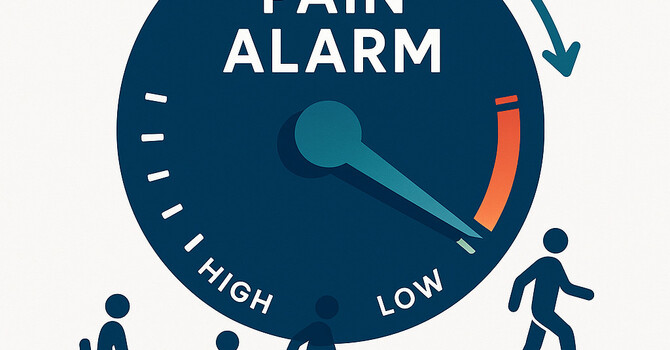
Pain meds may turn down the volume. We address the source. Your plan blends education, graded activity, and targeted interventions so relief actually lasts.
- Restore mobility and tissue capacity—so everyday loads feel easier.
- Re-train control and timing—so joints move in safer, efficient patterns.
- Lower reinjury risk with progressive, measurable milestones.
1:1Personalized sessions
RTMRemote check-ins keep you on track
MeasuredForce & EMG-informed progress
Conditions we help
Low back pain
Neck pain & headaches
Shoulder pain
Knee pain
Hip pain
Ankle & foot pain
Post-surgery recovery
Sports & overuse injuries
Balance-related pain & fear of movement
Chronic pain & flare management
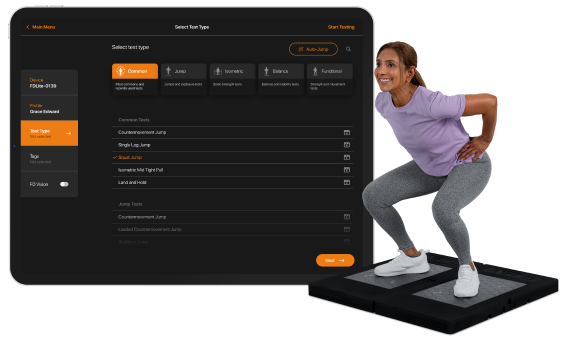
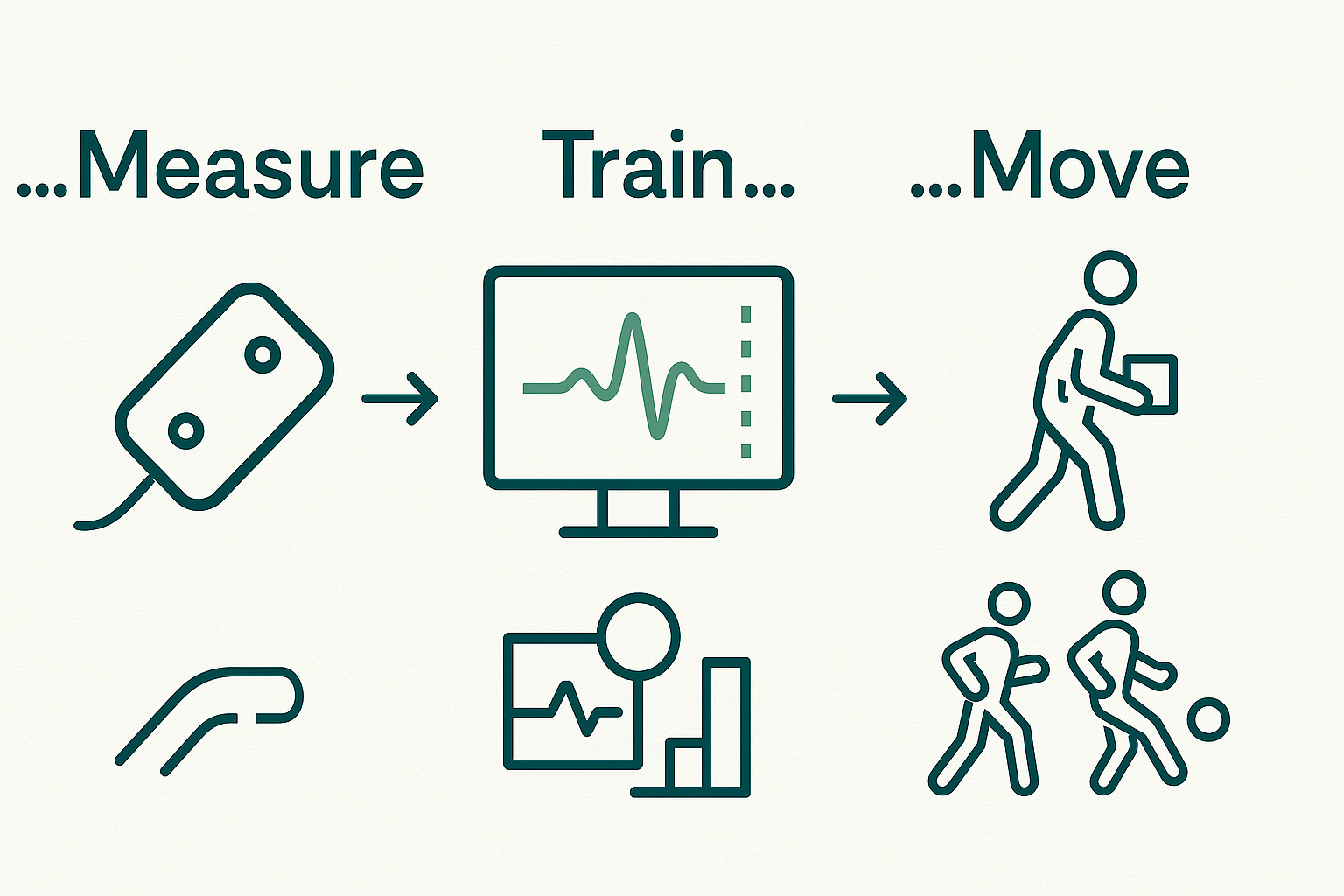
Our approach: Measure → Train → Move
Measure
Find the drivers of pain using objective tools.
- Force plate testing (balance, loading symmetry, rate of force)
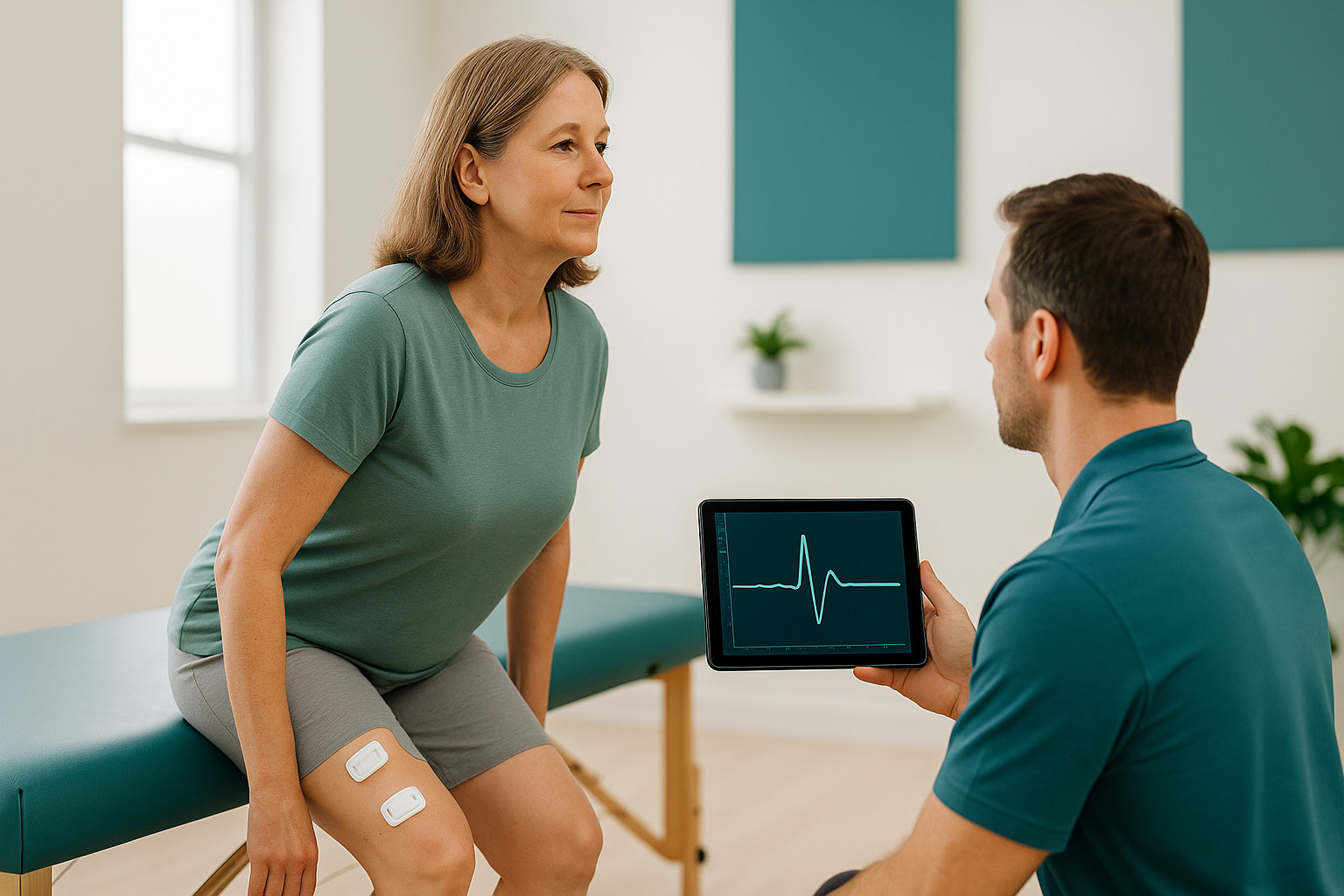
- Surface EMG biofeedback for activation & timing
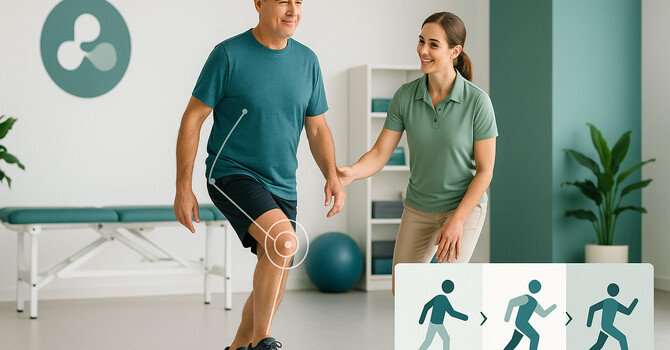
- Movement screening & joint angle analysis
Train
Progressive exercise to build capacity without flare-ups.
- Therapeutic exercise dosing (tempo, range, volume)
- Motor control & coordination drills
- Manual therapy & joint mobilization as needed
Move
Return to meaningful activities with confidence.
- Graded exposure to work, sport, and daily life tasks
- Education for self-management & flare planning
- Home program with progress tracking (RTM)
Modalities we may include (when they help you move better)
Modalities are used to support movement—not replace it. Each tool has a purpose, a progression plan, and a clear exit strategy.
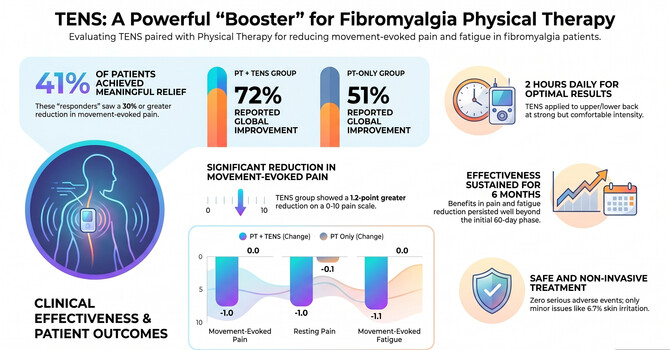
High-Intensity, Low-Frequency TENS (chronic pain)
A targeted electrical stimulation approach designed for pain modulation when pain persists beyond normal tissue healing time.
- Goal: reduce pain sensitivity so you can move more comfortably and build capacity.
- What it feels like: strong but comfortable tingling (not muscle cramping).
- Where it fits: combined with education + graded activity + strengthening for lasting results.
Electrical stimulation (e-stim)
Used for pain modulation, muscle activation support, and neuromuscular re-education when appropriate.
- Pain modulation: symptom relief to support training.
- Motor control: cue timing/activation when a muscle is “offline.”
- Plan-driven: selected based on your exam and movement goals.
EMG biofeedback (muscle activation training)
Surface EMG biofeedback helps you see and retrain how your muscles activate during movement.
- Goal: improve muscle timing and coordination to reduce pain and inefficient loading.
- How it helps: visual feedback shows when muscles are over-working, under-working, or activating too late.
- Where it fits: paired with corrective exercise and movement retraining—not passive treatment.
Photobiomodulation (PBM / “red light” therapy)
A non-thermal light-based modality used to support pain modulation and tissue recovery when appropriate.
- Goal: decrease pain sensitivity and support recovery so you can tolerate training.
- What it feels like: typically little to no sensation (some people feel mild warmth).
- Where it fits: paired with movement and loading—not used as a stand-alone solution.
Therapeutic ultrasound
A physical agent that may be used to support short-term symptom reduction or tissue irritability when clinically indicated.
- Goal: support comfort and tissue tolerance to movement.
- Best paired with: mobility and strengthening work.
- Progression: reduced as function improves and self-management increases.
Shock wave therapy (ESWT)
A modality commonly used for certain tendon-related and plantar heel pain presentations to support recovery alongside loading programs.
- Goal: improve pain and function in select stubborn tissue cases.
- Works best with: a progressive loading + mobility plan.
- Not for everyone: we screen carefully and match it to diagnosis and stage.
Our rule: If a modality doesn’t translate into better movement and function, we don’t keep doing it.
Technology that makes your care clearer
We use technology to reduce guesswork and personalize your plan. You’ll see what’s improving and why it matters.
- Force plates quantify balance, loading, and power so we can dose exercise precisely.
- Surface EMG (sEMG) biofeedback helps retrain muscle activation without over-recruitment.
- Computer-vision joint angles guide form and tempo for safer movement.
- Remote Therapeutic Monitoring (RTM) keeps you accountable between visits.
Bottom line: data helps us choose the right dose—then we adjust quickly based on your response.
No extra cost surprises—your therapist will discuss any tech or modality we use and how it supports your goals.
What to expect
1) Evaluation
We listen to your story and test how you move, load, and balance. Together we identify your key pain drivers and goals.
2) First wins
You’ll leave with a focused plan: targeted exercises, activity tweaks, and strategies to calm flare-ups. If appropriate, we’ll add a modality to help you tolerate movement better right away.
3) Progress checkpoints
We re-measure at smart intervals. If something stalls, we adjust quickly.
Program options
- Initial PT Evaluation & Treatment (90 minutes) – Comprehensive assessment plus first treatment session.
- Follow-up Session (30–90 minutes) – Visit length matched to your needs and goals.
- Hybrid & Remote PT Session – Telerehabilitation plus RTM and guided home programming.
Billing & Access
We operate as a patient-centered clinic with transparent pricing. Medicare accepted; hybrid cash-based options available for others. We’ll provide superbills upon request. Contact us to review benefits. Some modalities, such as shock wave theray and photobiomodulation may not be covered by the insurance.
Direct access: In New York, many patients can start PT without a physician referral. If a referral is needed for your plan, we’ll coordinate.
FAQs
Will exercise make my pain worse?
We dose movement to calm, not inflame. You’ll get clear guidelines on what sensations are safe and when to back off. Progress is gradual and measurable.
Do you use modalities like shock wave, ultrasound, electrical stimulation, or “red light” therapy?
Yes—when they help you move better. Modalities can reduce symptoms and improve tolerance to activity, but lasting relief comes from a plan built around movement, loading, and self-management. We’ll explain why we’re using a modality, what to expect, and how we’ll phase it out as you improve.
What is High-Intensity, Low-Frequency TENS?
It’s a specific way of applying TENS for pain modulation in some chronic pain presentations—often using a strong but comfortable intensity with a lower pulse frequency. We use it to reduce pain sensitivity and support better movement, not as a stand-alone treatment.
How does Remote Therapeutic Monitoring work?
Between visits, we track adherence and symptoms, adjust your plan, and answer quick questions—so you stay supported and accountable.
Is this safe if I have arthritis or a past injury?
Absolutely. Your plan is individualized to your medical history and goals. We progress loads only when your tissues are ready.
Ready to start?
Take the first step toward lasting relief. A short conversation can clarify your best next move.