Every day, our heart and blood vessels work quietly in the background to keep us alive. Most of us do not think much about them until something goes wrong. But the numbers tell an important story.
In the United States, someone has a heart attack every 40 seconds, and someone dies from cardiovascular disease every 34 seconds. Cardiovascular disease—which includes heart disease and stroke—remains the leading cause of death in the country and worldwide.
The encouraging news is that many of these conditions are preventable, and one of the most powerful tools we have is something simple: regular physical activity.
A Paradox of Modern Medicine
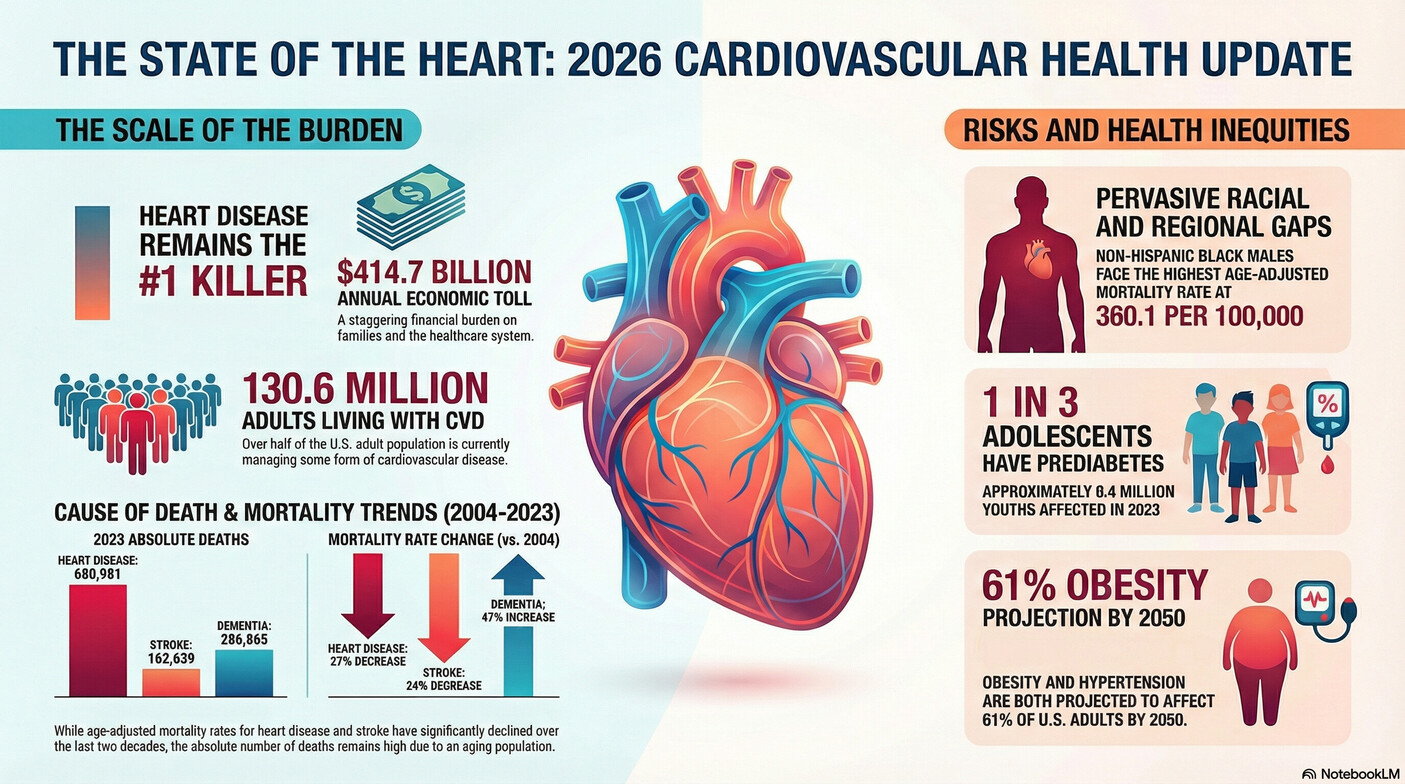
Medical care has improved dramatically over the last two decades. Advanced treatments, medications, and surgical procedures have reduced the age-adjusted death rate from heart disease by about 27% since 2004.
In other words, if you compare people of the same age today with those from a generation ago, their chance of dying from heart disease is lower.
However, there is another side to this story.
The United States population is aging. As more people live longer, more people also live long enough to develop chronic diseases. Because of this demographic shift, the total number of deaths from heart disease remains very high—about 680,000 deaths per year in the U.S.
This means healthcare systems are increasingly focused on treating disease, rather than preventing it.
The Future Health Landscape
If current trends continue, the picture in the coming decades is concerning.
By 2050, projections suggest that:
-
61% of U.S. adults may have obesity
-
61% may have hypertension (high blood pressure)
-
27% may have diabetes
These three conditions form what researchers call cardiovascular-kidney-metabolic (CKM) syndrome, a cluster of problems that significantly increases the risk of heart disease, stroke, and kidney failure.
Today, about 90% of U.S. adults already show at least some stage of CKM risk.
This means many people are on the path toward cardiovascular disease long before symptoms appear.
The Lifestyle Gap
The American Heart Association evaluates cardiovascular health using a framework called Life’s Essential 8, which includes diet, physical activity, sleep, blood pressure, cholesterol, blood sugar, smoking, and body weight.
Unfortunately, the national “report card” shows major gaps.
-
The average dietary score in the U.S. is only 42 out of 100
-
About 75% of adults do not meet recommended physical activity guidelines
Modern life makes movement optional. Many jobs involve long hours of sitting, and daily routines often revolve around convenience rather than physical activity.
The human body, however, evolved to move.
Without regular movement, blood vessels stiffen, metabolism slows, and cardiovascular risk steadily increases.
The Silent Nature of Cardiovascular Disease
One of the biggest challenges with heart disease and stroke is that they often develop without obvious symptoms.
For example:
-
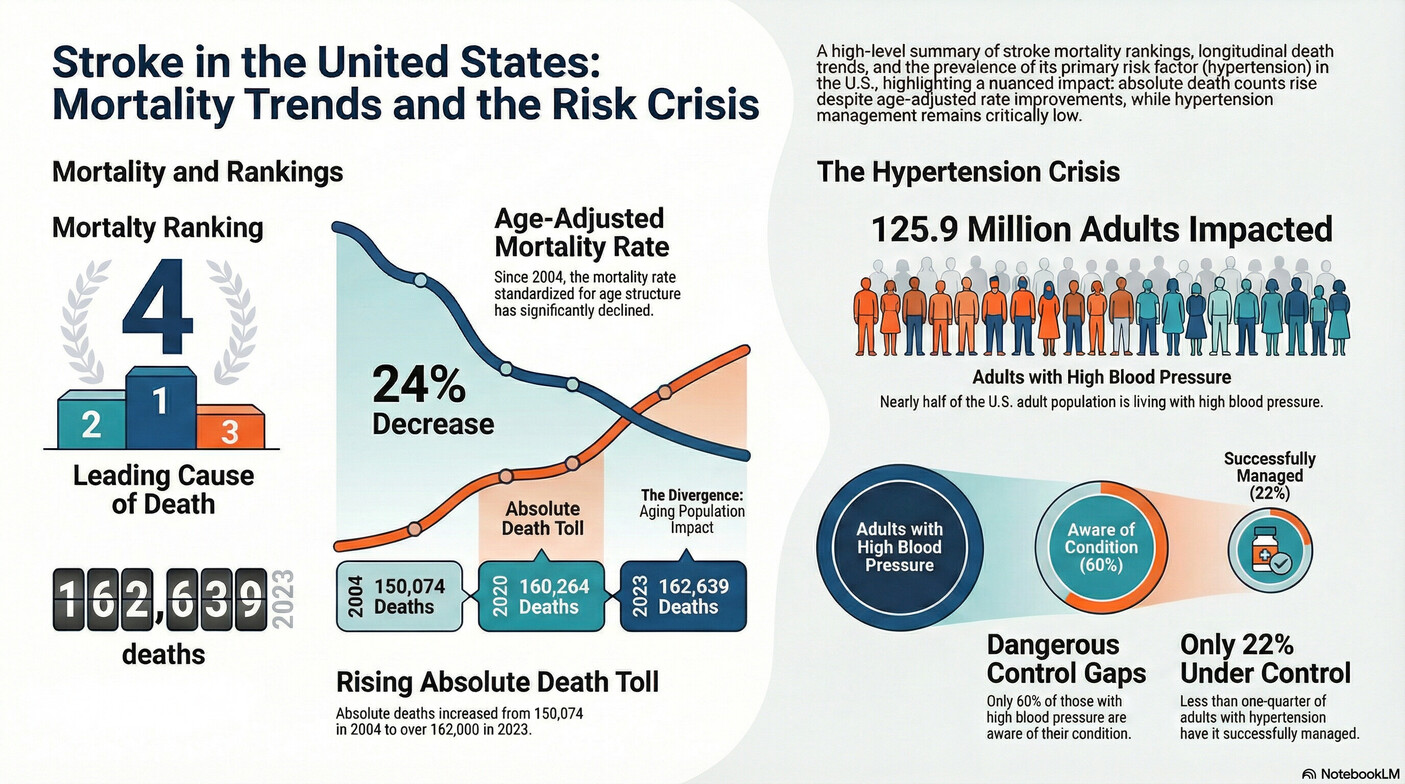
125.9 million U.S. adults have high blood pressure
-
Only 60% know they have it
-
Only 22% have it under control
High blood pressure is sometimes called the “silent killer” because it can damage the heart, brain, and kidneys for years before being detected.
Similarly, millions of people live with undiagnosed diabetes or prediabetes, quietly increasing their risk of stroke and heart disease.
Stroke and Brain Health: The Heart–Brain Connection
The health of the brain and heart are deeply connected.
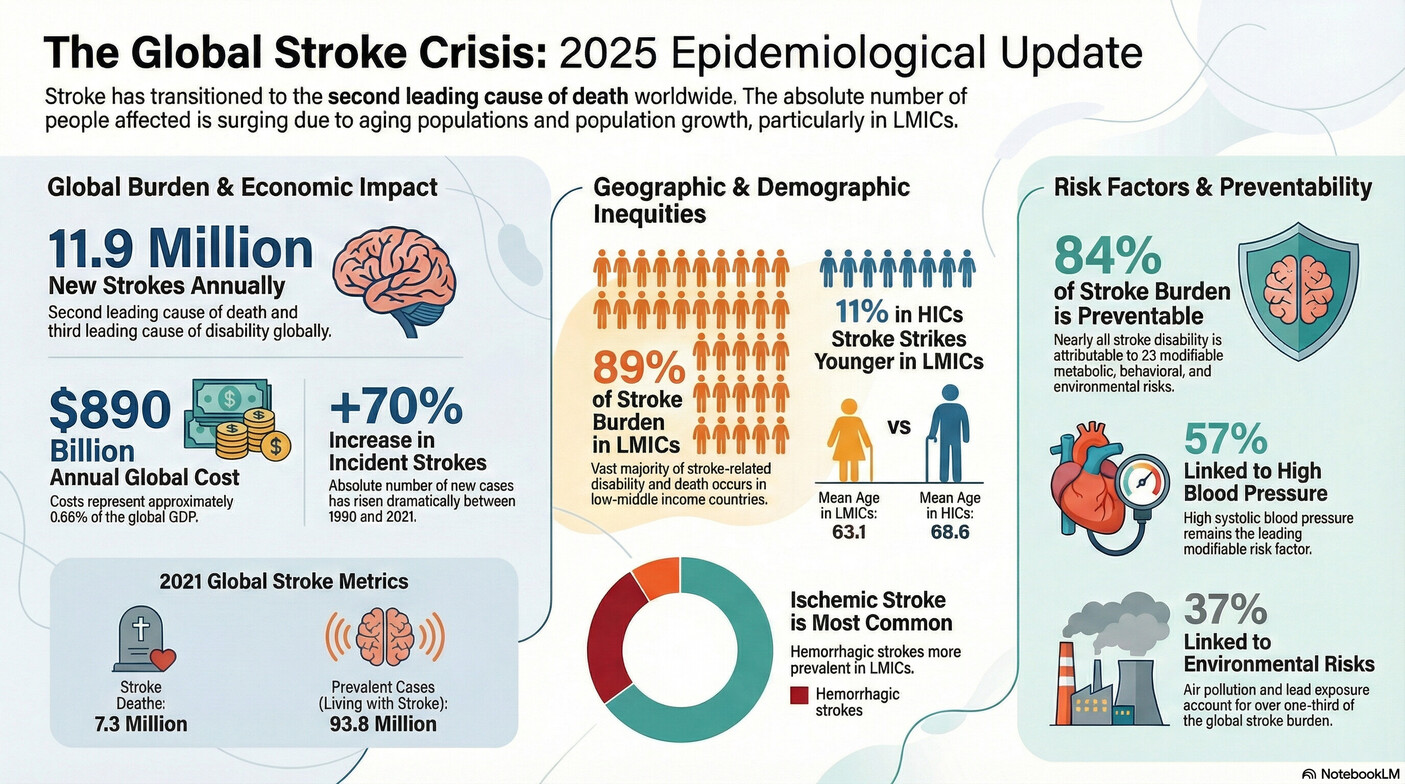
The same blood vessels that nourish the heart also supply the brain. When those vessels become damaged by high blood pressure, diabetes, or inflammation, the risk of stroke and cognitive decline increases.
Currently in the United States:
-
About 6.9 million adults over 65 live with Alzheimer’s disease
-
Stroke remains a leading cause of long-term disability
Protecting the heart is also one of the most powerful ways to protect the brain.
Health Inequality Matters
Cardiovascular disease does not affect all communities equally.
For example:
-
The cardiovascular death rate in some states is nearly twice as high as in others
-
Non-Hispanic Black Americans have significantly higher mortality rates from cardiovascular disease
These differences are strongly influenced by access to healthcare, safe environments for exercise, nutrition, and socioeconomic factors.
Health is not only a personal issue—it is also a community and infrastructure issue.
Why Physical Activity Is One of the Most Powerful Preventive Tools
Among all lifestyle factors, regular movement has one of the strongest protective effects against cardiovascular disease and stroke.
Physical activity helps:
-
Lower blood pressure
-
Improve cholesterol levels
-
Improve insulin sensitivity
-
Reduce inflammation
-
Improve blood vessel function
-
Support brain health
-
Maintain muscle and mobility as we age
Research consistently shows that people who are physically active have significantly lower risk of heart disease, stroke, and premature death.
Even modest levels of activity can make a difference.
What the Research Recommends
Current public health guidelines recommend:
Aerobic activity
-
At least 150 minutes per week of moderate activity
-
Examples: brisk walking, cycling, swimming
Strength training
-
At least 2 days per week
These recommendations are not about intense workouts. They are about consistent movement over time.
Even small steps—walking more, sitting less, strengthening muscles—can significantly reduce long-term risk.
The Role of Movement-Based Healthcare
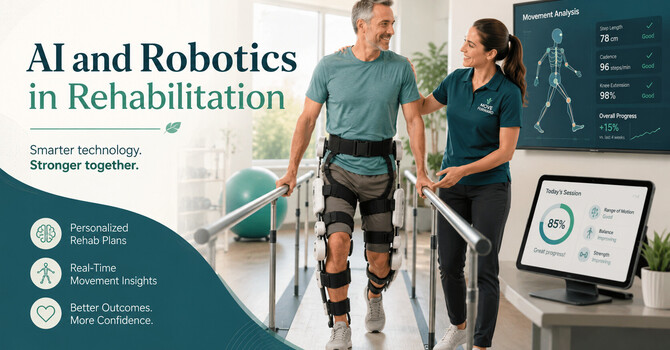
At Unity Move Physical Therapy & Wellness, the goal is not only to treat injury or disease but also to help people build long-term resilience through movement.
Movement-based care focuses on:
-
Improving cardiovascular fitness
-
Restoring mobility and strength
-
Preventing falls and disability
-
Supporting neurological recovery after stroke
-
Building sustainable exercise habits
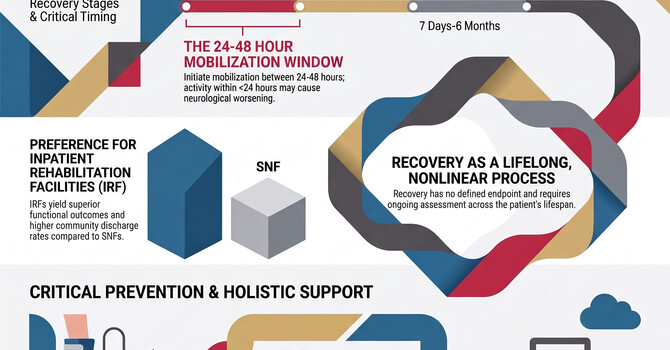
For individuals recovering from neurological conditions such as stroke or Parkinson’s disease, structured movement programs can also promote neuroplasticity, helping the brain adapt and recover.
A Different Future Is Possible
The projections for 2050 are concerning, but they are not inevitable.
Cardiovascular disease and stroke are strongly influenced by lifestyle factors, and physical activity is one of the most powerful interventions available.
Every walk, every exercise session, every movement habit contributes to healthier blood vessels, a stronger heart, and a more resilient brain.
The goal is not perfection.
The goal is consistent movement, over a lifetime.
Your heart—and your brain—depend on it.
References
American Heart Association. (2024). Heart Disease and Stroke Statistics Update.
https://www.ahajournals.org
World Health Organization. Cardiovascular diseases (CVDs).
https://www.who.int
U.S. Centers for Disease Control and Prevention (CDC).
https://www.cdc.gov/heartdisease